 Sleep Better Naturally
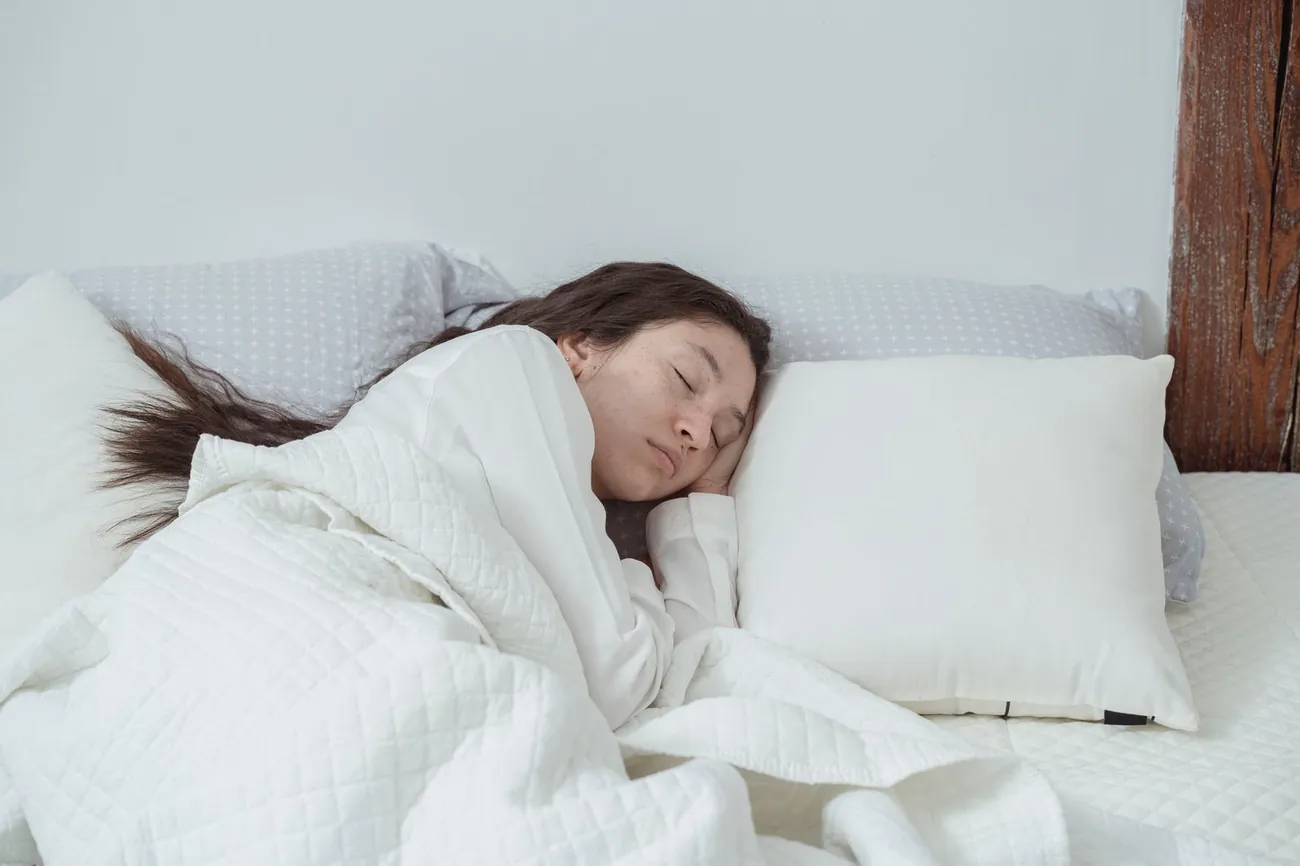
Sleep medications and supplements have their place, but your body already has a built-in sleep system: a clock that runs on light and routine, and a thermostat that drops your core temperature at night. Sleeping better naturally means working with both. Here are the five pillars, in the order we'd tackle them.
1Keep a steady rhythm
A consistent wake time, seven days a week, is the single most underrated sleep habit. Your body clock anchors to it, and bedtime sleepiness follows. Aim for at least 7 hours in bed-to-sleep time as an adult (more for kids and teens; see what is considered good sleep for the numbers by age).
Use the bed only for sleep (and intimacy). Working, scrolling and worrying in bed teach your brain that bed is a place to be awake.
2Use light like a medicine
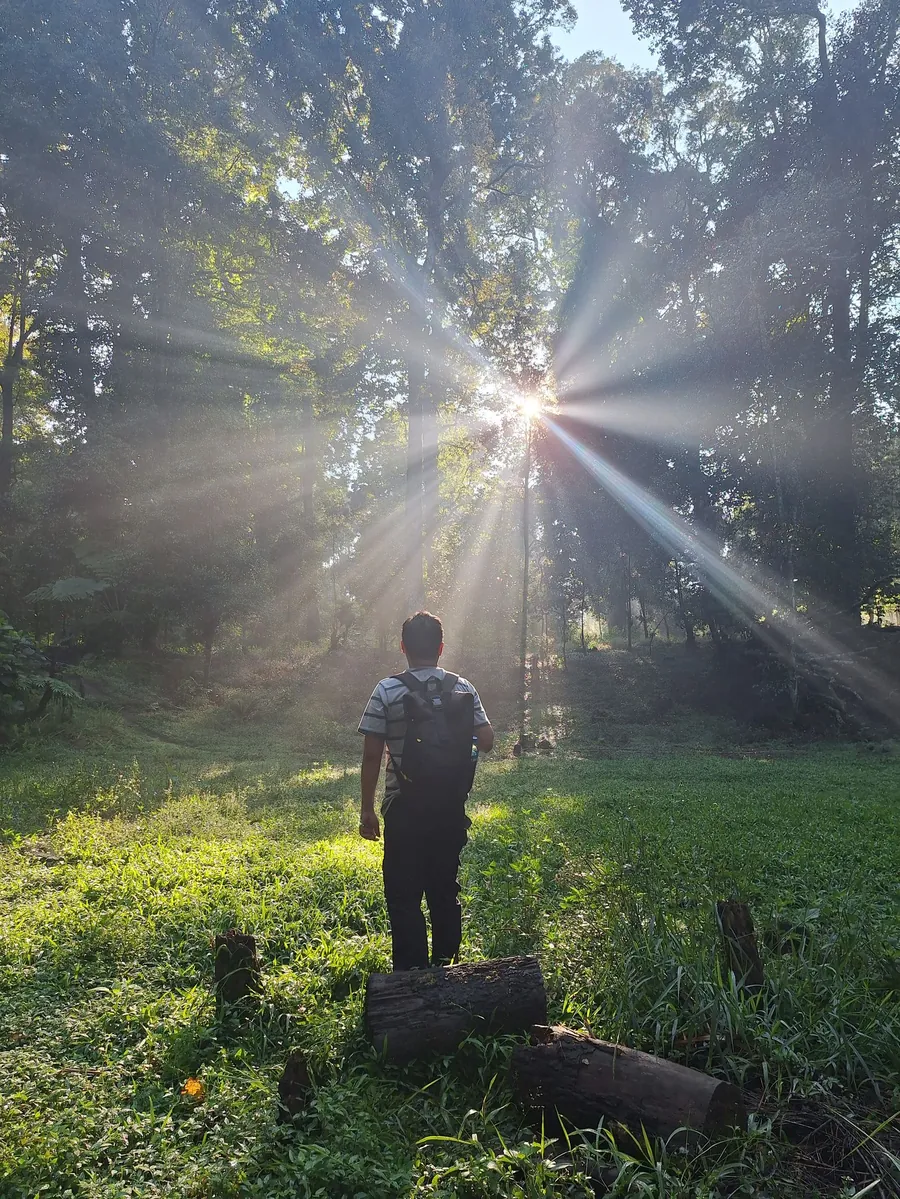
Morning: get outside within an hour of waking, even on cloudy days. Outdoor light is far brighter than indoor light and is the strongest signal to set your body clock.
Evening: switch to lamps and warm bulbs a couple of hours before bed, and put screens away in the last hour. Keep the bedroom dark with blackout curtains or a sleep mask.
3Time caffeine, food and alcohol
| What | Natural-sleep rule of thumb | Why |
|---|---|---|
| Caffeine | Stop about 8 hours before bed | Its effects last for hours, even if you can still fall asleep |
| Alcohol | Keep it light and finish a few hours before bed | It fragments sleep and cuts into REM later in the night |
| Dinner | Finish 2–3 hours before bed | Heavy, late meals and reflux disturb sleep |
| Fluids | Taper in the last hour or two | Fewer bathroom trips at 3 a.m. |
| Evening drink | Caffeine-free herbal tea or warm milk | A calming ritual, minus the stimulant |

More detail in our post on caffeine cutoffs and food timing.
4Move during the day
Regular physical activity is linked to falling asleep faster and spending more time in deep sleep. A brisk walk counts, and a morning walk doubles as your light dose. Save hard workouts for earlier in the day; gentle stretching or yoga is fine at night.
5Make bed temperature your drug-free lever
Your core body temperature naturally falls in the evening and stays low through the night; Good Sleep puts the drop at roughly 1–3°F. That dip is part of how your body falls asleep and stays in deep sleep. It's also why a hot, stuffy bed or a freezing one wrecks a night.
- Room: roughly 60–68°F, the range Good Sleep cites from Cleveland Clinic and the Sleep Foundation.
- Hot sleepers: breathable bedding, and cooling at the sleep surface. Good Sleep notes that passive "cooling" sheets absorb heat and level off within minutes.
- Cold sleepers (and winter): warm feet and a warm bed in a cool room. A warm shower 1–2 hours before bed also helps by drawing heat to your skin.
This winter, resist cranking the thermostat. Warm the bed, not the house: you keep the cool air that helps sleep, and you still climb into warmth. Read our natural ways to stay warm in bed for the full list.

Good Sleep: temperature control without pills or apps
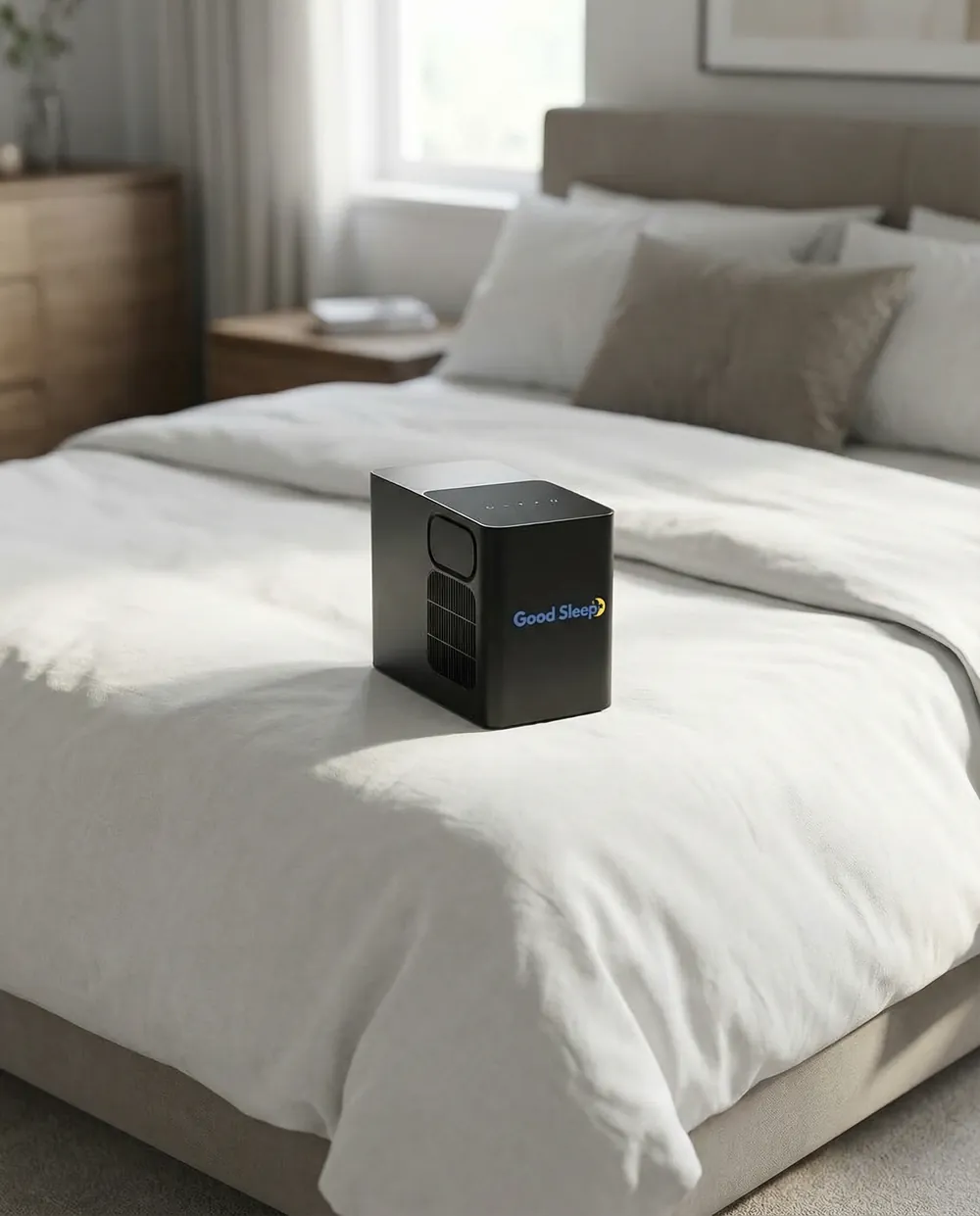
Good Sleep is the product this site recommends for pillar 5. Facts from trygoodsleep.com:
- Cools to 62°F, heats to 110°F using water circulating through micro-channels in a topper; reaches your setting in about 15 minutes and holds it all night.
- Good Sleep suggests about 82°F as a starting point for cold sleepers.
- On your current mattress: Queen or King, any brand up to 14 inches tall.
- Dual-zone on King, each side set independently.
- No app, no Wi-Fi, no subscription: a touch panel on the hub.
- $1,479 one-time, free shipping, 30-night trial from delivery (15% restocking fee on returns), 1-year warranty.
trygoodsleep.com currently advertises code GOODSLEEP for $75 off.
Curious whether water-based bed cooling really works? See does8sleepwork.com for a plain-English explanation, and 8sleepalternative.com for a comparison of temperature-controlled beds. And if your issue is mostly getting to sleep, fallasleepfast.info has a 90-minute wind-down plan.
A natural-sleep day, start to finish
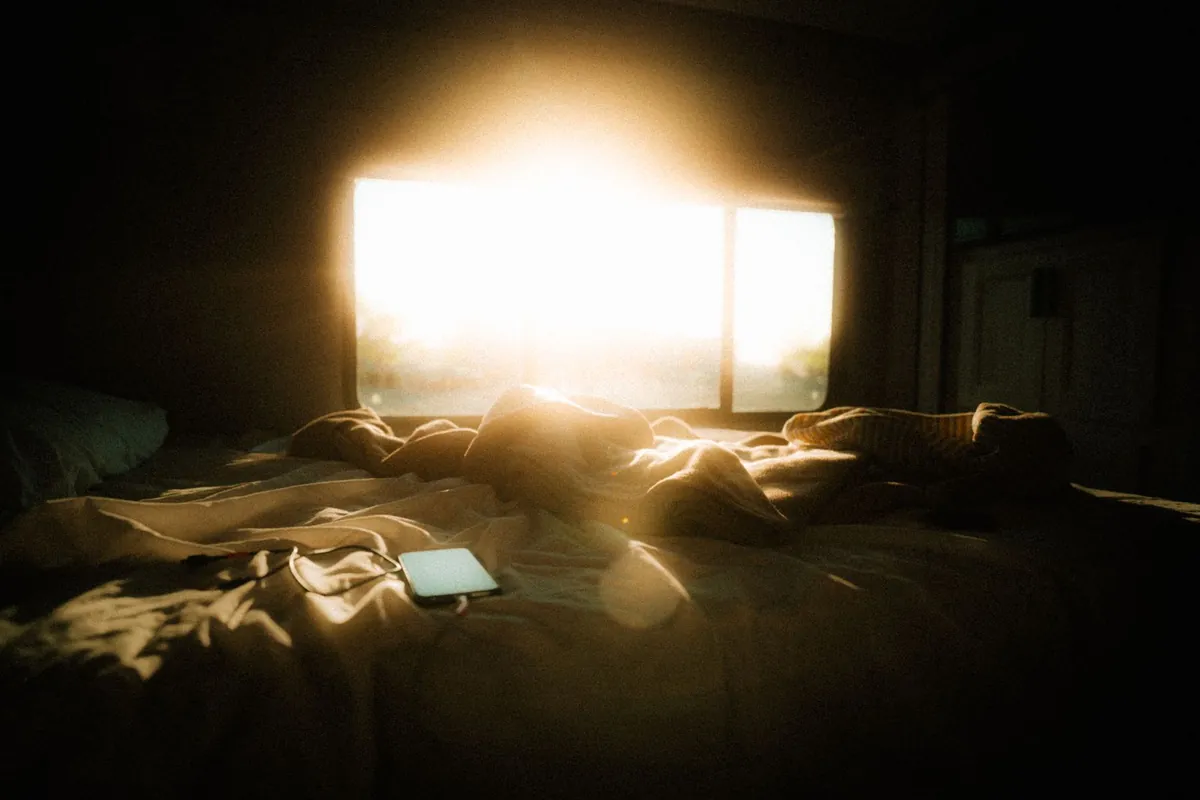
- Wake at your set time; open the curtains.
- Within an hour: 10–30 minutes outside.
- Early afternoon: last caffeine, about 8 hours before bed (around 2 p.m. for a 10 p.m. bedtime).
- Afternoon: move: walk, lift, play.
- Evening: dinner 2–3 hours before bed, light alcohol or none, lamps instead of overheads.
- 1–2 hours out: warm shower.
- Bedtime: cool, dark room; bed warm or cool to suit you; lights out.
Frequently asked questions
How can I sleep better naturally?
Keep the same wake time every day, get outdoor light in the morning, stop caffeine by early afternoon, avoid alcohol and heavy meals close to bed, move your body during the day, keep evenings dim, and keep your bedroom cool, dark and quiet with a bed at a comfortable temperature.
What is the most effective natural sleep aid?
For most people, it's not a pill: it's a consistent schedule plus morning daylight. Those two set your body clock. Temperature is a close third: a cool room and a comfortably warm or cool bed help you fall asleep and stay asleep, with no drug involved.
When should I stop drinking caffeine?
Many sleep experts suggest stopping caffeine at least 8 hours before bed. Caffeine's effects last for hours, so a 3 p.m. coffee can still be active at bedtime, even if you fall asleep fine.
Does exercise help you sleep better?
Yes. Regular physical activity is linked to falling asleep faster and sleeping more deeply. Morning or afternoon exercise is ideal; if you work out in the evening, finish hard sessions a couple of hours before bed.
Do any foods help you sleep?
No single food is a sleep cure, but a balanced dinner a few hours before bed, limited sugar and alcohol in the evening, and a small snack if you're hungry generally help. Caffeine hides in tea, cola, chocolate and some pre-workouts.
Is bed temperature really a natural sleep aid?
It's one of the most powerful drug-free levers. Your core temperature drops as you fall asleep; Good Sleep cites Cleveland Clinic and the Sleep Foundation's ideal bedroom range of roughly 60–68°F. Cooling or warming the bed itself lets you fine-tune that without changing the whole house.
What is Good Sleep?
A water-based mattress topper system that cools to 62°F and heats to 110°F. A bedside hub circulates temperature-controlled water through a topper on your existing mattress. It uses a touch panel with no app, Wi-Fi or subscription, and costs $1,479 one-time for Queen or King.
Are natural sleep supplements safe?
Supplements such as melatonin or magnesium aren't right for everyone and can interact with medications. Talk to your doctor or pharmacist first. Habits, light and temperature carry no such risk, so they're the place to start.
When should I see a doctor?
If poor sleep lasts more than a few weeks despite good habits, or you snore loudly, stop breathing at night, or feel very sleepy during the day, see a doctor. Insomnia and sleep apnea are common and treatable.
From the blog
- Caffeine Cutoff Time and Food Timing for Better Sleep
When to stop caffeine for better sleep, how late is too late for dinner and alcohol, and where caffeine hides, a natural guide.
- Morning Light and Exercise: The Natural Sleep Duo
How morning daylight and regular exercise help you sleep better naturally, how much you need, and the best time of day for each.
- 7 Natural Ways to Stay Warm in Bed This Winter (Without Overheating)
How to stay warm in bed in winter and still sleep well: socks, layering, a warm shower, a cool room and a heated topper, without cranking the thermostat.
Not medical advice. Good Sleep facts from trygoodsleep.com.